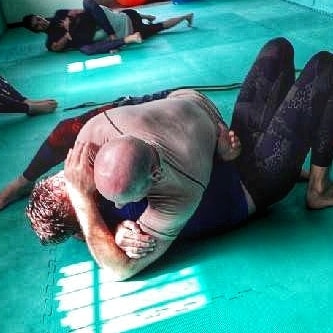
There’s something profoundly uncomfortable—physically, mentally, even emotionally—about being pinned to the ground by another human being. It’s a vulnerable position, one that many instinctively avoid. In some contexts, it’s even illegal. But in the right setting—on a mat, in a gym, under the watchful eye of an instructor—being pinned offers something rare and valuable: a path to resilience.
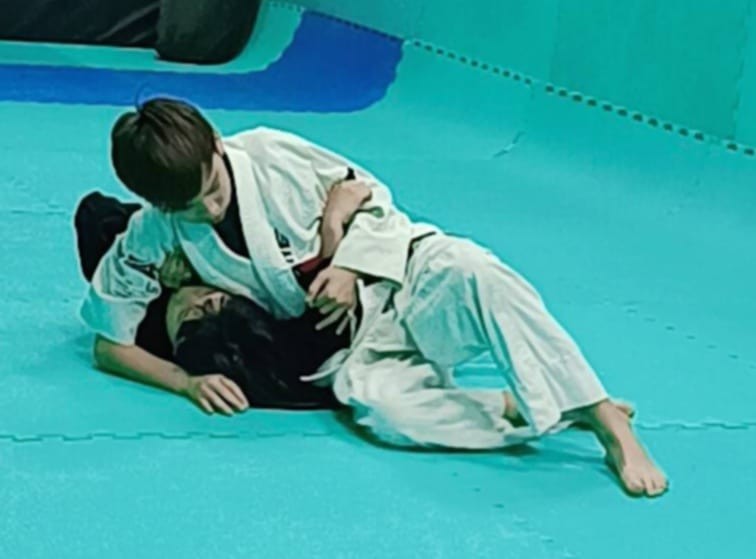
Believe it or not, there’s great benefit in being pinned—and in learning how to pin someone else. This raw, grappling connection is ancient, fundamental, and undeniably human. In a time when children are more likely to be handed a device than asked to deal with discomfort, learning to suffer—just a little—might be exactly what the soul needs.
Humans have been grappling with grappling since before we left the trees. It’s there in the pages of the Bible, in the elegant figures painted on Greek pottery, in The Secret History of the Mongols, and in Japan’s Kojiki, one of the oldest records of the land of the rising sun. Wrestling has always been a part of who we are.
To be pinned is to be held flat on your back, your shoulders pressed to the mat, someone else’s weight making each breath a conscious effort. If you had a big brother, you likely remember this sensation all too well. But here’s the truth: over time, you learn to breathe again. You learn to escape. Eventually, you learn not to be pinned at all. And—ironically—you learn to pin others. Because learning to control another person requires first being controlled yourself.
So why does grappling turn people off?

Well, it’s sweaty. It’s awkward. It’s often painful. And it doesn’t look pretty. But the truth is, fights—whether on the playground or in more serious settings—rarely stay standing. They end up on the ground. Familiarity with the ground is not just useful; it’s vital. Pain, too, plays its part. It’s one of nature’s most effective teachers. Just ask any child who’s ever touched a hot stove.

Being pinned—especially when you’re just starting out—is unpleasant. But that very discomfort builds character. It teaches grit, humility, and persistence. It fosters empathy. After all, to pin someone well, you first have to know what it feels like to be pinned. And when you return to the mat, again and again, knowing it may happen once more, you grow. You grow stronger, smarter, and more skilled.
Young or old, man or woman, we all need a bit of adversity now and then. Grappling offers it in just the right dose.
適應逆境
被另一個人壓在地上,不論是身體上、心理上,甚至是情感上,都是一種極度不舒服的經驗。這是一種讓人感到脆弱的狀態,許多人本能地會想避開。在某些情境下,這樣的行為甚至是不合法的。然而在正確的環境中——在墊子上、在道館裡、有教練在旁指導——「被壓制」反而能帶來珍貴的收穫:一條通往韌性的道路。
你也許難以相信,被壓制、甚至學會壓制他人,其實蘊藏著深厚的價值。這種原始的肢體接觸,是古老的、本能的,也是絕對人性的。在這個孩子一不開心就給手機平板安撫的年代,學會忍受一點小小的不適,也許正是我們靈魂所需要的。
自從我們的祖先離開樹梢走上大草原以來,人類就一直在「纏鬥」。聖經裡記載了摔角的故事,古希臘的陶壺上畫著摔跤手,《蒙古秘史》中有摔跤的描寫,日本最古老的文獻之一《古事記》也有相關記錄。摔角一直是人類歷史的一部分。
當你被壓制在墊子上時,你的雙肩無法離地,對方的體重壓在你身上,讓你連呼吸都變得困難。如果你有哥哥,這種感覺應該不陌生。不過,隨著時間過去,你會學會如何重新呼吸,如何掙脫,甚至如何避免再次被壓制。最有趣的是:你要學會生存與反擊,首先得學會怎麼有效地壓制對手。
那為什麼許多人對摔角敬而遠之呢?
因為會流汗,會疼痛,還可能會受傷。它看起來並不優雅。而且,無論是街頭衝突還是賽場對抗,打鬥往往從站立開始、在地面結束。對地面技術的熟悉不只是有用,更是必要。至於汗水,如果我們因為怕流汗就避開一切活動,那麼人生中最精彩的部分也就錯過了。疼痛呢?任何一個曾經用手去碰熱鍋的小孩都知道,疼痛是一位好老師。
尤其是被壓在下位時,那種不舒服感令人印象深刻。但也正是這種不舒服,激勵我們變得更強大。它塑造人格,磨練意志,教會我們謙卑與堅持。它也培養同理心。畢竟,若你沒被壓得服服貼貼過,又怎麼知道該如何有效地壓制他人?每一次從被壓制中重新站起來,明知道可能還會再被壓,卻仍選擇繼續,這樣的過程會使人更有決心、更努力提升技術。
不論是年輕人還是長者,不論性別,每個人都需要一點逆境。而摔角,正好能給我們適當的一劑良方。
One response
Absolutely agree with everything you said and really enjoyed your writing style as well. Yes, in some contexts ‘pins’ are illegal indeed. Then there’re those borderline cases when you’re not sure if she really wants you off of her or not.